

By comparing the advantages and disadvantages of the current maintenance and inspection system and methods, this paper analyzes the significance of exploring the application of transformer type power equipment status monitoring and fault diagnosis technology, studies the current transformer detection and fault diagnosis technology, and introduces the problems and prospects of the current development of this technology.
Introduction
With the gradual increase of power load and the increasing demand for power system stability, the status monitoring and fault diagnosis technology of transformer electrical equipment has received widespread attention. More and more research and production departments are actively developing and applying this technology, and it is currently being widely promoted. In this situation, a comprehensive, objective, and in-depth understanding of the technology, its current technological status, and the comparison and understanding of its advantages and disadvantages with the current preventive maintenance system will have certain significance for the correct development, application, and promotion of this new technology and better guarantee of the reliability and safety of power production.
The importance of status monitoring and fault diagnosis technology
Transformers are important electrical equipment that connect the power generation, transmission, and distribution links. With the development of the economy and the increase of power load and voltage levels, the reliability of transformer operation has a more significant impact on the stability of the power system. Transformers are affected by various factors such as electricity, heat, machinery, and environment during operation, and their performance will gradually deteriorate, resulting in a deterioration of operating conditions and possible occurrence of various faults.
In order to minimize and avoid the occurrence of faults as much as possible, the traditional practice of the power system has long been to continuously study, summarize, and implement various effective regular preventive tests, maintenance, and other methods. Compared with accident repair, this preventive testing and maintenance method has made significant progress. However, regular scheduled maintenance involves blindness, and preventive tests are mostly conducted offline, requiring shutdowns and power outages during testing, resulting in economic losses. For some important equipment, it cannot be easily shut down, making it difficult to complete regular tests. Even if the equipment to be inspected can be shut down, there is often a deviation in the test results due to the difference in transformer status between operation and shutdown. On the other hand, inspection and maintenance may lead to excessive repair, which may damage the performance of the transformer.
2. State monitoring and fault diagnosis of transformers
The fault diagnosis technology of transformers has shifted from a time based approach to a state based approach, which includes two aspects: state monitoring and fault diagnosis. The former provides maintenance basis for state maintenance by extracting fault characteristic signals, while the latter analyzes and processes the collected state information. The research on online monitoring technology for transformers generally includes the following contents: (1) analysis of fault mechanisms; (2) Online monitoring methods; (3) Transmission, processing, and storage of monitoring information; (4) Extraction of fault feature quantities; (5) Methods and theoretical analysis of fault diagnosis.
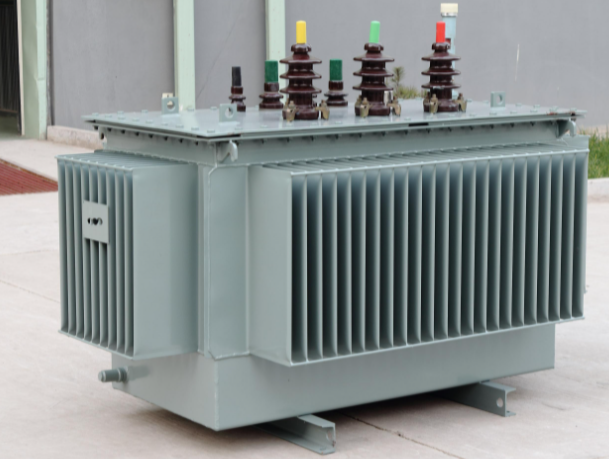
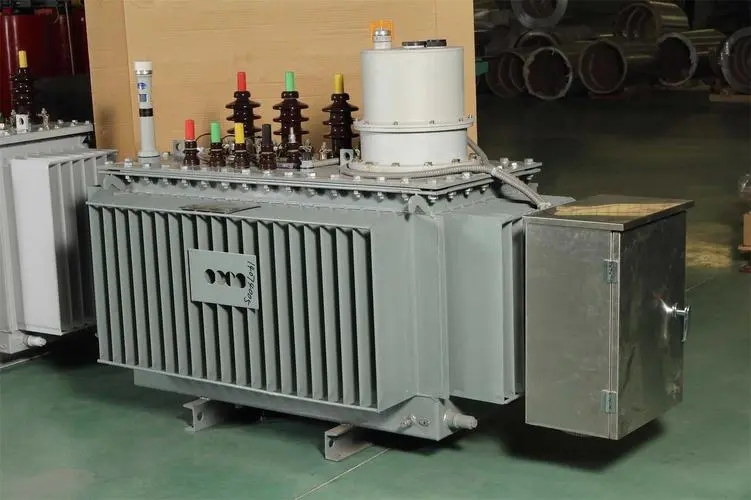
The power industry mainly uses oil filled transformers, and in some special occasions, dry-type transformers or sulfur hexafluoride transformers are also used. At present, both domestically and internationally, partial discharge monitoring and ultrasonic positioning technology, infrared technology, and micro water analysis technology are commonly used for transformer condition monitoring. For the high-voltage bushing of transformers, digital online measurement technology for dielectric loss factor is usually used. For on load voltage regulating switches with many faults, an online device for on load fault diagnosis is used to measure contact wear and mechanical and electrical circuits. In addition, parameters such as oil temperature, coil temperature, load current and voltage, and cooling pump fan operation are also monitored in the transformer status monitoring. The main components of the transformer involved are: magnetic circuit winding and insulation with fixed insulating liquid, gas insulation, and cooling system. The proposed diagnostic faults include: overheating fault, discharge fault, overheating and discharge fault, mechanical fault, and water ingress and moisture. The commonly used partial discharge monitoring and diagnosis methods often use the electric pulse signal generation method and ultrasonic method to achieve ideal quantitative and positioning effects for the joint detection of electrical and acoustic signals. The fault is judged based on the apparent discharge amount, distribution map, and location of the discharge source. The analysis of dissolved gas component content in oil (DGA) first uses various principles of degassing based on the principle of dissolution equilibrium, such as vacuum, permeable membrane, gas elution, etc., to remove the gas from the oil. Then, it is separated by a separation column and monitored by detectors (such as TCD, FID, etc.) or sensors based on various principles. Finally, according to the commonly used component ratio method or multidimensional visualization method at home and abroad, combined with electrical testing and offline periodic testing results, latent faults are comprehensively analyzed and diagnosed. Recently, technologies such as composite permeable membrane electrochemistry/fuel cell infrared monitoring have been developed for analyzing the content of dissolved gas components in oil. Due to the recognition of the accuracy of DGA analysis and judgment both domestically and internationally, this technology has become a hot research topic in various countries.
Contact Us
Get to know our new product releases and latest news articles in real-time.
CHANGZHOU CIENWO ELECTRONIC.,LTD.transformed from APEM (WUJIN) ELECTRONIC CO.,LTD, a chinese company of French APEM Group,is a professional manufacturer of molds,stamping products,plastic molded components and rubber products.
Do you have any questions or requests?
Click below, we are happy to provide assistance. Contact Us